
Same Day Water Tank Cleaning Bangalore
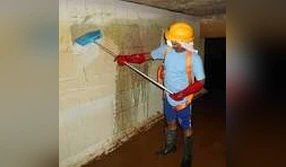
Same Day Water Tank Cleaning Bangalore – Professional Tank Cleaning Services at Your Convenience
Clean water is essential for every home, apartment, office and commercial establishment. However, the quality of stored water depends not only on its source but also on the condition of the storage tank. Over time, water tanks collect dust, mud, sand, algae, sediment and other unwanted impurities. Without regular cleaning, these deposits can affect water quality and create unhygienic storage conditions.
When a water tank becomes visibly dirty, develops an unpleasant smell or has accumulated sludge at the bottom, waiting several days for cleaning may not be convenient. This is where Same Day Water Tank Cleaning Bangalore becomes an important service for property owners, residents and facility managers who need prompt attention.
At Water Tank Cleaning Bangalore, we understand that water tank cleaning is an essential maintenance requirement rather than an occasional luxury. A clean storage tank supports better water hygiene and helps maintain a suitable environment for storing water for daily use. Our approach focuses on professional cleaning practices, proper removal of accumulated deposits and thorough attention to the interior surfaces of the tank.
Whether you manage an independent house, apartment complex, office building, restaurant, school or commercial property, arranging timely water tank cleaning can help prevent the buildup of unwanted materials.
This guide explains how same-day water tank cleaning works, why it matters, what the professional cleaning process involves, how to prepare your property and when you should schedule your next cleaning service in Bangalore.
Why Same Day Water Tank Cleaning Bangalore Is Important
Water tanks are used every day, but their internal condition is rarely visible. Unlike taps, sinks and other frequently used fixtures, the inside of a storage tank is not regularly inspected. As a result, dirt and sediment can accumulate without being noticed.
A tank that initially contains clean water may gradually collect deposits from incoming water, environmental exposure and surrounding conditions.
When cleaning is delayed, the accumulation can become more difficult to remove. In some situations, residents may also notice changes in water appearance, smell or the presence of visible particles.
Same-day cleaning offers a practical solution when the need for maintenance cannot be postponed.
1. Responding to Visible Dirt and Sludge
One of the most common reasons for arranging urgent water tank cleaning is the presence of visible dirt at the bottom of the tank.
Sediment may enter through the water supply and settle over time. Fine sand, mud and other particles can gradually form a layer of deposits.
Professional cleaning helps remove these accumulated materials instead of allowing them to remain inside the storage system.
2. Addressing Unpleasant Water Odour
An unusual smell from stored water can indicate that the tank needs inspection and cleaning. Organic debris, stagnant water and accumulated deposits may contribute to unpleasant odours.
However, smell alone cannot identify the exact cause of a water quality problem.
A professional cleaning service can inspect the accessible interior surfaces, remove accumulated deposits and clean the tank. If the smell continues after cleaning, further investigation of the water source and plumbing system may be necessary.
3. Maintaining Better Storage Hygiene
A clean water storage tank is an important part of household and commercial hygiene.
Dust, leaves, insects and other unwanted materials may enter through poorly secured covers, damaged openings or exposed tank connections.
Cleaning the tank and checking its cover and accessible openings can help maintain more hygienic storage conditions.
4. Supporting Urgent Property Maintenance
Sometimes, tank cleaning becomes necessary during a property inspection, before moving into a new house, after renovation work or before residents occupy a building.
In these situations, same-day water tank cleaning in Bangalore can help property owners arrange essential maintenance without unnecessarily delaying other activities.
5. Reducing Long-Term Sediment Accumulation
Regular cleaning prevents deposits from remaining inside the tank for extended periods.
Removing accumulated sludge during scheduled maintenance is generally easier than dealing with a heavily contaminated tank after a long period of neglect.
What Is Same Day Water Tank Cleaning?
Same-day water tank cleaning refers to arranging a professional cleaning appointment on the same day the customer makes an enquiry, subject to technician availability, location, tank size and the complexity of the work.
The service is intended for customers who require prompt cleaning rather than waiting for a future scheduled appointment.
The actual work may involve:
-
Initial inspection of the tank and its accessible surroundings.
-
Arranging an appropriate water supply interruption.
-
Draining the tank safely.
-
Removing accumulated sludge, mud and sediment.
-
Scrubbing internal surfaces where appropriate.
-
Washing the tank to remove loosened deposits.
-
Applying a suitable disinfectant according to its approved instructions.
-
Rinsing and completing the cleaning process.
-
Checking the tank cover and accessible openings.
The exact procedure depends on the tank material, condition, size and accessibility.
It is important to understand that same-day service does not mean compromising on cleaning quality. The work should follow an appropriate process even when the appointment is arranged at short notice.
At Water Tank Cleaning Bangalore, customers can contact the team to discuss their cleaning requirements and check available same-day appointments.
Common Signs Your Water Tank Needs Immediate Cleaning
Many people do not know when their water tank requires cleaning. Since the tank remains closed most of the time, internal contamination can go unnoticed.
However, certain signs indicate that the storage system should be inspected.
1. Mud or Sediment in Stored Water
If water contains visible particles or deposits, the tank and incoming water supply should be checked.
Sediment may accumulate at the bottom and become disturbed when water enters or leaves the tank.
2. Green Deposits on Tank Surfaces
Greenish deposits may indicate algae growth, particularly in tanks exposed to sunlight or where conditions support biological growth.
Algae can develop when sunlight enters the tank and suitable moisture and nutrients are available.
Cleaning the affected surfaces and checking the tank cover and light exposure are important maintenance steps.
3. Bad Smell from Taps
Unusual odours from taps may indicate a problem with the storage tank, incoming water supply or plumbing system.
Cleaning the tank may help when accumulated organic matter is responsible, but persistent odours should be investigated further.
4. Visible Insects or Foreign Materials
Insects, leaves, dust and other foreign materials should never be ignored.
These materials may enter through an uncovered tank, damaged lid or poorly maintained openings.
The tank should be inspected and cleaned where necessary. Openings should also be properly secured.
5. Long Periods Without Cleaning
Even when water appears clear, sediment can settle at the bottom of a tank.
If the tank has not been cleaned for a long time, arranging an inspection and cleaning appointment is a sensible maintenance decision.
6. Cleaning After Construction or Renovation
Construction dust, cement particles and other debris can enter water storage systems during building work.
Before using the tank after renovation, inspect its condition and arrange suitable cleaning if contamination has occurred.
Professional Water Tank Cleaning Services in Bangalore
Different properties have different water storage requirements. A small independent house may have one overhead tank, while an apartment building may have several large underground and overhead tanks.
Professional water tank cleaning should therefore be planned according to the property and the type of storage system.
Water Tank Cleaning Bangalore caters to the cleaning requirements of different property types, subject to service availability and site conditions.
Residential Water Tank Cleaning
Homes depend on stored water for bathing, cooking, washing and other everyday activities.
Residential tanks may collect sediment and dust over time, particularly when they are not inspected regularly.
Professional residential water tank cleaning generally includes:
-
Inspecting the tank's accessible interior.
-
Removing settled sludge and dirt.
-
Cleaning the internal surfaces.
-
Washing away loosened deposits.
-
Disinfecting and rinsing as appropriate.
-
Checking the condition of the tank cover.
Homeowners should arrange cleaning based on the condition of the tank, water source and frequency of use.
Apartment Water Tank Cleaning
Apartment buildings usually have larger water storage systems and multiple tanks.
These may include underground sumps, overhead tanks and intermediate storage tanks.
Cleaning apartment water tanks requires proper planning because many residents depend on the same storage system.
The cleaning schedule should consider:
-
Number of tanks.
-
Tank capacity.
-
Number of residents.
-
Water consumption.
-
Availability of alternative water storage.
-
Access to the tank.
-
Building maintenance requirements.
For apartment associations, it is helpful to communicate the cleaning schedule to residents in advance.
Overhead Water Tank Cleaning
Overhead tanks are commonly installed on rooftops and terraces.
They may be exposed to environmental dust, sunlight and changing weather conditions.
Common overhead tank cleaning requirements include removing bottom sediment, cleaning internal walls and checking the lid.
The technician should also consider rooftop access, tank height and the safety of the surrounding work area.
Underground Water Tank Cleaning
Underground tanks are commonly used in residential communities, apartments, offices and commercial properties.
These tanks often receive water from external supply systems or borewells.
Since they are below ground level, cleaning may require additional arrangements for drainage, access and safe working conditions.
Underground tank cleaning should never be treated as ordinary household cleaning.
Entry into a confined underground tank can expose workers to serious hazards, including oxygen deficiency, harmful gases and difficult rescue conditions. Only trained personnel following suitable confined-space safety procedures should undertake entry when it is necessary.
Commercial Water Tank Cleaning
Commercial buildings often have higher water storage requirements.
Hotels, offices, restaurants, warehouses, educational institutions and other establishments may use large-capacity tanks.
Cleaning should be planned to minimise disruption to business operations while maintaining appropriate hygiene standards.
For commercial properties, a maintenance schedule can help facility managers monitor cleaning dates and inspection requirements.
Step-by-Step Process for Same Day Water Tank Cleaning Bangalore
A professional cleaning process should be systematic. Completing the work quickly should never mean skipping essential stages.
The following steps describe a typical water tank cleaning procedure. The exact method may vary depending on the tank design, material and condition.
Step 1: Initial Inspection
The first step is to understand the condition of the tank.
The technician checks accessible areas and identifies the type of tank, approximate capacity, level of sediment accumulation and available drainage arrangements.
The inspection also helps identify possible access restrictions and safety concerns.
For larger tanks, the technician may need to assess the site before confirming the work schedule.
Step 2: Planning the Cleaning Work
Before cleaning begins, the work should be planned properly.
This may involve informing residents, arranging an alternative water supply and identifying the appropriate time to stop incoming water.
For apartment buildings and commercial properties, coordination with the facility management team is particularly important.
The aim is to complete the cleaning with minimum avoidable disruption.
Step 3: Draining the Water Tank
The water inside the tank is removed through an appropriate drainage arrangement.
The method depends on the tank's design and the available outlet.
Care should be taken to prevent uncontrolled discharge, waterlogging or damage to surrounding areas.
Step 4: Removing Sludge and Sediment
After the tank has been drained, accumulated sludge, mud, sand and other deposits are removed.
This is one of the most important parts of the cleaning process.
Leaving sediment at the bottom can reduce the effectiveness of subsequent washing.
The removed material should be disposed of responsibly rather than allowed to enter the drinking water supply or nearby drainage systems improperly.
Step 5: Scrubbing Internal Surfaces
The internal walls and floor are cleaned using suitable tools and methods.
Scrubbing helps loosen deposits that may remain attached to the tank surface.
The cleaning method should be appropriate for the tank material.
For example, a plastic tank should not be cleaned with an unnecessarily abrasive tool that could damage its surface.
Step 6: Washing the Tank
After scrubbing, the loosened dirt and remaining deposits are washed away.
An appropriate washing method helps remove residual material from the internal surfaces.
The cleaning team should ensure that dirty water is drained properly.
Step 7: Disinfection
Cleaning and disinfection are different processes.
Cleaning removes dirt, sludge and visible deposits. Disinfection is intended to reduce harmful microorganisms when performed using a suitable product and procedure.
A disinfectant appropriate for water storage tanks should be used according to its label instructions and applicable public health guidance.
Correct concentration and contact time are important.
Using excessive chemicals does not make a tank safer. Improper chemical use can leave residues and create additional risks.
Step 8: Final Rinsing
After the required disinfection contact time, the tank should be rinsed as necessary according to the disinfectant instructions.
Any residual cleaning materials and unwanted deposits should be removed.
The tank should be prepared for refilling only after the cleaning process is appropriately completed.
Step 9: Final Inspection
Before completing the work, the technician should check the accessible interior surfaces and confirm that visible deposits have been removed.
The tank cover, access opening and other accessible components should also be checked.
Any damage or maintenance concern identified during the work should be communicated to the property owner or facility manager.
Step 10: Refilling and Restoring the Water Supply
Once cleaning, rinsing and other required procedures are completed, the tank can be refilled.
The water supply should be restored according to the property's normal operating arrangements.
Where water is intended for drinking or cooking, suitable water quality should be verified when contamination is suspected or when testing is required.
Cleaning alone does not certify that stored water is safe to drink.
Why Professional Water Tank Cleaning Is Better Than DIY Cleaning
Some property owners attempt to clean their tanks using household brushes, buckets and cleaning liquids.
While basic external cleaning may be manageable, internal water tank cleaning involves additional safety and hygiene considerations.
Professional cleaning is particularly important for large tanks, underground sumps and shared apartment storage systems.
1. Proper Equipment
Professional cleaning teams use equipment suitable for removing sediment and cleaning tank surfaces.
The appropriate equipment depends on tank size, material and accessibility.
Using unsuitable tools may damage the tank or fail to remove accumulated deposits effectively.
2. Better Sludge Removal
Removing visible dirt from the tank is not always enough.
Sediment may remain in corners, at the bottom or around internal fittings.
A systematic cleaning process helps address these areas.
3. Appropriate Disinfection
Disinfection requires the correct product, concentration and contact time.
Household cleaning liquids, detergents and fragrances should not be treated as substitutes for suitable water tank disinfection products.
4. Safer Work Practices
Large and underground tanks may present serious risks.
Potential hazards include:
-
Restricted entry and exit.
-
Slippery internal surfaces.
-
Poor ventilation.
-
Oxygen deficiency.
-
Harmful gases.
-
Electrical equipment hazards.
-
Difficult emergency access.
Professional teams should assess these risks before beginning the work.
No one should enter an underground water tank without appropriate confined-space assessment, training, equipment and emergency arrangements.
5. More Convenient Maintenance
Hiring a cleaning service saves property owners from arranging equipment, managing sludge removal and handling the cleaning process themselves.
It also makes it easier to establish a recurring maintenance schedule.
How to Book Same Day Water Tank Cleaning in Bangalore
Arranging a same-day appointment should be straightforward.
However, providing the right information during the initial enquiry can help the service team assess the requirement and confirm availability.
Step 1: Contact the Service Team
Get in touch with Water Tank Cleaning Bangalore through the contact details available on the official website.
Explain that you require same-day water tank cleaning.
Mention whether the cleaning is urgent because of visible dirt, sediment accumulation, an unpleasant smell or routine maintenance.
Step 2: Share Your Location
Provide your area or locality in Bangalore.
The service team can use this information to check whether a technician is available for your location.
Step 3: Explain Your Tank Requirements
Share basic details about the tank, such as:
-
Overhead or underground tank.
-
Approximate tank capacity.
-
Number of tanks.
-
Residential or commercial property.
-
Accessibility.
-
Current condition of the tank.
If possible, sharing photographs of the tank and access area may help the team understand the work involved.
Step 4: Confirm the Appointment
Ask the team about the available time slot, estimated service duration and applicable charges.
Same-day appointments depend on technician availability, travel distance, workload and the complexity of the cleaning requirement.
Always confirm the appointment before making arrangements at the property.
Step 5: Prepare the Property
Before the technician arrives, arrange access to the tank and inform the relevant residents or building maintenance personnel.
For apartment buildings, the facility manager should coordinate the water supply interruption and communicate the schedule.
Step 6: Complete the Cleaning
The cleaning team carries out the work according to the agreed scope.
After completion, check the accessible areas and discuss any concerns identified during the process.
Areas We Serve for Water Tank Cleaning in Bangalore
Bangalore has a wide range of residential neighbourhoods, apartment communities and commercial developments.
The cleaning requirements of each area may differ depending on building design, water storage capacity and the type of water supply.
Water Tank Cleaning Bangalore aims to support customers across serviceable parts of the city, subject to appointment availability.
Some of the commonly searched Bangalore localities include:
East Bangalore
-
Whitefield
-
Marathahalli
-
Brookefield
-
Varthur
-
Sarjapur Road
-
Kadubeesanahalli
-
Bellandur
North Bangalore
-
Hebbal
-
Yelahanka
-
Thanisandra
-
Hennur
-
Jakkur
-
Nagawara
-
Devanahalli
South Bangalore
-
JP Nagar
-
Jayanagar
-
BTM Layout
-
Bannerghatta Road
-
Electronic City
-
HSR Layout
-
Arekere
West Bangalore
-
Rajajinagar
-
Vijayanagar
-
Nagarbhavi
-
Kengeri
-
Malleshwaram
-
Basaveshwaranagar
-
Peenya
Central Bangalore
-
Indiranagar
-
Koramangala
-
MG Road
-
Shivajinagar
-
Frazer Town
-
Richmond Town
-
Ulsoor
Service availability should be confirmed for the exact address and requested appointment time.
Factors That Affect Same Day Water Tank Cleaning Charges in Bangalore
The cost of water tank cleaning depends on the work involved.
There is no single price that applies to every property because tank size, accessibility and cleaning requirements can vary significantly.
Understanding the factors that influence pricing helps customers request an accurate estimate.
1. Tank Capacity
Tank capacity is one of the main factors affecting cleaning charges.
A small household tank generally requires less time and effort than a large apartment or commercial storage tank.
Larger tanks may require additional equipment and manpower.
2. Type of Tank
Overhead and underground tanks have different cleaning requirements.
An underground tank may require additional arrangements for drainage, access and safety.
These factors can influence the overall service estimate.
3. Number of Tanks
A property with multiple storage tanks requires more work than a property with a single tank.
Apartment associations and commercial facilities should provide the total number of tanks when requesting a quotation.
4. Level of Dirt and Sludge
A tank that has been maintained regularly may require less cleaning effort.
A heavily contaminated tank with thick sediment or stubborn deposits may require additional time and attention.
5. Accessibility
The location of the tank also matters.
A tank located in an easily accessible area may be simpler to service than one requiring special access arrangements.
6. Same-Day Scheduling
Urgent appointments may depend on technician availability, travel distance and the existing work schedule.
Customers should ask whether any additional charges apply to same-day appointments before confirming the booking.
How to Get an Accurate Cleaning Estimate
To receive a suitable quotation, share the tank capacity, location, type of tank and number of tanks.
Providing photographs can also help the service team understand the condition and accessibility of the storage system.
Always confirm what the quotation includes, such as sludge removal, washing, disinfection and final rinsing.
How Often Should You Clean Your Water Tank in Bangalore?
The cleaning frequency depends on several factors, including water quality, tank condition, usage and the possibility of contamination.
A tank receiving water with a high sediment content may require more frequent attention than one receiving consistently clean water through a well-maintained supply system.
As a practical maintenance approach, many properties schedule water tank inspection and cleaning approximately every three to six months.
However, this is a general maintenance suggestion rather than a universal regulatory requirement. The appropriate schedule should be based on the tank's condition and applicable local public health recommendations.
Factors That Influence Cleaning Frequency
Water source: Borewell water, tanker water and municipal supply may contain different levels of suspended material and sediment.
Tank location: Tanks exposed to dust, sunlight or environmental debris may need more frequent inspection.
Tank cover condition: Damaged or loose covers can allow insects, leaves and dust to enter.
Water consumption: High-use storage systems may require more regular monitoring.
Visible contamination: If sludge, insects, unusual colour or unpleasant odour is noticed, the tank should be inspected without waiting for the next scheduled cleaning.
For apartment buildings and commercial properties, maintaining a written cleaning record is helpful.
The record should include the cleaning date, tank identification, work performed and any maintenance issues identified.
Common Mistakes to Avoid During Water Tank Cleaning
A poorly performed cleaning process may fail to address the underlying problem.
It can also introduce additional contaminants if unsuitable products or methods are used.
The following mistakes should be avoided.
Using Ordinary Detergents
Household detergents and strongly scented cleaning products are not automatically suitable for water storage tanks.
Use products intended for the application and follow the manufacturer's instructions.
Ignoring the Bottom of the Tank
The bottom surface is where heavier sediment generally settles.
Cleaning only the walls without removing the accumulated sludge leaves an important part of the work incomplete.
Skipping Disinfection
Cleaning removes physical deposits, but it does not necessarily address microorganisms.
Where disinfection is required, it should be carried out using an appropriate method.
Using Excessive Chemicals
More disinfectant does not mean better cleaning.
Incorrect concentrations may create chemical residue and affect water quality.
Leaving the Tank Uncovered
An open tank can quickly collect dust, insects and environmental debris.
The cover should be fitted securely after cleaning.
Entering an Underground Tank Without Safety Measures
This is one of the most serious mistakes.
Underground water tanks may be confined spaces with potentially life-threatening conditions.
Untrained individuals should never enter these spaces. Proper confined-space procedures, monitoring, equipment and rescue arrangements are essential whenever entry is required.
Delaying Cleaning After Contamination
If a tank contains visible foreign material, animal intrusion or other suspected contamination, do not postpone inspection.
Arrange appropriate cleaning and assess whether water quality testing is necessary.
How to Maintain a Clean Water Tank After Professional Cleaning
Professional cleaning is an important step, but regular maintenance is equally necessary.
A few practical precautions can help reduce the chances of contamination between cleaning appointments.
1. Keep the Tank Lid Secure
The tank lid should fit properly and remain closed.
A secure cover helps prevent insects, dust, leaves and other foreign materials from entering.
2. Inspect the Tank Regularly
Visual inspection of accessible areas can help identify cracks, loose covers and other problems.
Property owners should also check whether the tank has developed visible sediment or unusual odour.
3. Check the Inlet and Outlet
Damaged fittings and poorly maintained connections can create maintenance problems.
Inspect accessible inlet and outlet arrangements and arrange repairs when necessary.
4. Prevent Rainwater and Drainage Contamination
Ensure that tank openings and surrounding structures are maintained properly.
Water from drains, rooftops or other contaminated sources should not enter the storage system.
5. Maintain a Cleaning Schedule
Set a reminder for periodic tank inspection and cleaning.
For apartments, commercial properties and offices, assign responsibility to a facility manager or maintenance team.
6. Investigate Changes in Water Quality
If stored water develops unusual colour, smell or visible particles, investigate the cause.
Do not assume that cleaning the tank will resolve every water quality problem.
The incoming supply, pipes, filters and other components may also need inspection.
7. Consider Water Quality Testing
Where water is used for drinking and cooking, testing may be appropriate, particularly after suspected contamination or a significant change in water quality.
A properly conducted laboratory test can provide information about relevant water quality parameters.
Tank cleaning and water quality testing serve different purposes and should not be confused.
Importance of Water Tank Cleaning for Apartments and Residential Communities
Apartment buildings in Bangalore often depend on shared water storage systems.
A single underground sump or overhead tank may supply water to dozens or hundreds of households.
If the storage system is not maintained, deposits can accumulate and affect the hygiene of the shared water infrastructure.
For this reason, apartment associations should treat water tank cleaning as part of their regular building maintenance responsibilities.
Coordinating Cleaning with Residents
Before arranging cleaning, the association should inform residents about the proposed date and expected water interruption.
This allows households to make temporary arrangements.
Cleaning All Relevant Storage Tanks
Some buildings have multiple storage tanks connected through a common water distribution system.
Cleaning only one tank may not address deposits in other parts of the storage arrangement.
Facility managers should identify all relevant tanks and plan the work accordingly.
Maintaining Service Records
Apartment associations should keep records of:
-
Previous cleaning dates.
-
Tank capacities.
-
Number of tanks cleaned.
-
Cleaning work completed.
-
Observed damage or maintenance issues.
-
Next proposed inspection date.
These records help associations plan future maintenance more effectively.
Water Tank Cleaning for Offices and Commercial Buildings
Commercial properties often require a different maintenance approach from independent houses.
Offices, hotels, restaurants, schools, hospitals and other facilities may have significant daily water requirements.
Unexpected cleaning requirements can disrupt normal operations if the work is not planned properly.
Same-day water tank cleaning can be useful when an urgent issue arises, provided the service team has the necessary availability and the work can be performed safely.
Office Buildings
Office facilities should coordinate tank cleaning with building management and housekeeping teams.
The schedule should consider employee requirements and alternative water arrangements.
Restaurants and Food Businesses
Restaurants depend on water for cleaning, food preparation and sanitation.
Their water storage systems should be maintained according to appropriate hygiene requirements.
If water contamination is suspected, the affected supply should not be used for food preparation until its suitability has been established.
Educational Institutions
Schools and colleges should maintain suitable water storage conditions for students and staff.
Tank inspection and cleaning can be included in the institution's facility maintenance schedule.
Healthcare Facilities
Healthcare establishments have particularly important water hygiene requirements.
Their cleaning and water management procedures should follow the applicable institutional standards and public health guidance.
Ordinary tank cleaning should not be treated as a substitute for a comprehensive water safety programme.
Why Choose Water Tank Cleaning Bangalore?
Choosing a water tank cleaning service requires more than comparing appointment availability.
Customers should understand the cleaning process, work included, safety practices and the experience of the service team.
At Water Tank Cleaning Bangalore, the focus is on helping residential and commercial customers arrange suitable water tank maintenance.
The following service considerations are important when planning a cleaning appointment.
Prompt Appointment Assistance
When customers need urgent cleaning, timely communication is essential.
The service team can discuss the requirement, location and available appointment slots before confirming the booking.
Same-day service is subject to availability.
Attention to Different Tank Types
Residential and commercial properties may have overhead tanks, underground sumps and larger storage systems.
The cleaning method should be selected according to the tank's design, capacity and condition.
Focus on Sludge and Dirt Removal
Accumulated sludge and sediment should be removed as part of the cleaning process.
The objective is to address visible deposits rather than simply washing the accessible surfaces.
Appropriate Cleaning and Disinfection
Suitable cleaning products and disinfection procedures are important.
Products should be selected according to their intended use, and instructions relating to concentration, contact time and rinsing should be followed.
Service for Different Property Requirements
Independent houses, apartments and commercial buildings have different storage requirements.
Providing accurate information during booking helps the service team understand the work involved.
Maintenance Guidance
Customers should receive practical guidance on inspecting their tanks and planning future cleaning appointments.
Good maintenance helps prevent long periods of neglect.
Preparing Your Home Before the Cleaning Team Arrives
A little preparation can make same-day water tank cleaning easier and more organised.
Before the appointment, consider the following steps.
Inform household members: Let everyone know that the water supply may be interrupted during cleaning.
Arrange temporary water storage: Keep an adequate quantity of water for essential activities.
Provide tank access: Ensure that the technician can reach the tank safely.
Inform building management: In apartments, coordinate with the maintenance team.
Share tank details: Provide the approximate capacity and type of tank.
Discuss drainage: Confirm how wastewater and removed sludge will be handled.
Secure pets and children: Keep them away from the cleaning area and equipment.
Discuss completion requirements: Ask about rinsing, refilling and any waiting period specified for the disinfectant used.
These arrangements help reduce confusion and make the appointment more efficient.
What to Check After Water Tank Cleaning
Once the cleaning work is complete, customers should review a few important details.
Check the Accessible Internal Surfaces
Where safe and practical, inspect the tank to confirm that visible sludge and deposits have been removed.
Confirm the Tank Cover Is Secure
The cover should be fitted properly to reduce the possibility of future contamination.
Ask About Disinfection
Understand which disinfection procedure was used and whether the required contact time and rinsing steps were followed.
Check for Visible Residue
There should not be visible cleaning debris or accumulated sludge remaining inside the tank.
Monitor the Water Supply
After refilling, check for unusual colour, smell or particles.
If the water quality appears abnormal, investigate before using it for drinking or cooking.
Arrange Testing When Necessary
If contamination is suspected, arrange suitable water quality testing.
A clean-looking tank does not automatically mean the water is microbiologically safe.
Same Day Water Tank Cleaning Bangalore: Frequently Asked Questions
1. Can I book same-day water tank cleaning in Bangalore?
Yes, you can contact Water Tank Cleaning Bangalore to enquire about same-day cleaning appointments. Availability depends on your location, tank capacity, technician schedule and the complexity of the work. It is advisable to confirm the appointment before making arrangements.
2. How long does water tank cleaning take?
The duration depends on tank capacity, the amount of accumulated sludge, accessibility and the cleaning procedure required. A small residential tank may take less time than a large underground sump or apartment storage system. The service team can provide an estimated duration after understanding your requirements.
3. What is included in professional water tank cleaning?
A typical service may include initial inspection, draining, sludge removal, internal scrubbing, washing, appropriate disinfection, rinsing and final inspection. The exact scope should be confirmed before booking.
4. Is same-day water tank cleaning available for apartments?
Same-day service may be available for apartment buildings, subject to the number of tanks, technician availability and site requirements. Large apartment complexes may require advance coordination because multiple tanks and residents are involved.
5. Do you clean underground water tanks?
Underground water tank cleaning is a specialised maintenance requirement. The cleaning process depends on tank size, access, drainage and safety conditions. Any required entry must follow appropriate confined-space safety procedures.
6. How often should a residential water tank be cleaned?
A practical maintenance schedule for many residential properties is approximately every three to six months. However, the appropriate frequency depends on the water source, tank condition, sediment accumulation and applicable public health recommendations.
7. Why is sludge found at the bottom of water tanks?
Sludge generally develops when suspended particles such as sand, mud and other sediment settle at the bottom over time. The amount of accumulation depends on the incoming water quality, tank design and maintenance frequency.
8. Does water tank cleaning remove algae?
Professional cleaning can remove visible algae and associated deposits from accessible tank surfaces. However, preventing recurrence also requires addressing the conditions that support growth, such as unwanted light entering the tank and inadequate covering.
9. Is water tank disinfection necessary after cleaning?
Disinfection may be necessary depending on the tank's condition and the nature of contamination. It should be performed using an appropriate product and procedure. Cleaning and disinfection are separate steps, and neither should be confused with laboratory water quality testing.
10. Can I use the water immediately after cleaning?
The tank should be refilled only after the cleaning, disinfection and rinsing procedures have been completed according to the products and methods used. Follow the technician's instructions. If water contamination is suspected, verify its suitability before using it for drinking or cooking.
11. Can I book cleaning for both overhead and underground tanks?
Yes, you can enquire about cleaning both types of tanks. Share the number, approximate capacity and location of each tank so the team can understand the requirements and provide an appropriate estimate.
12. Does tank size affect the cleaning charges?
Yes. Tank capacity is an important pricing factor. Larger tanks may require more labour, time and equipment. Accessibility, sludge accumulation and the type of tank can also influence the quotation.
13. What should I do if my water smells bad after tank cleaning?
An unpleasant smell after cleaning should not be ignored. The incoming water supply, pipes, fittings and cleaning process may need further inspection. If the water is intended for drinking, avoid using it until its suitability has been established.
14. Is professional water tank cleaning necessary for borewell water?
Yes. Borewell water can contain suspended particles and naturally occurring minerals that may contribute to sediment accumulation. The tank should be inspected and cleaned according to its condition, regardless of the water source.
15. Can water tank cleaning be arranged for commercial properties?
Yes, customers can enquire about cleaning for offices, restaurants, schools, warehouses and other commercial buildings. The work should be planned according to tank capacity, operational requirements and applicable hygiene and safety standards.
16. How can I prepare for a same-day cleaning appointment?
Provide the tank location, capacity and type when booking. Arrange safe access, inform household members or building management and keep alternative water available for essential activities. Confirm the appointment and estimated service duration with the team.
17. Does cleaning a tank guarantee safe drinking water?
No. Tank cleaning improves storage hygiene by removing accumulated deposits, but it does not guarantee that the water is safe for drinking. Water quality depends on the source, treatment, storage conditions and plumbing system. Appropriate testing is necessary when safety is uncertain.
18. Can I schedule regular water tank maintenance?
Yes. Regular inspection and cleaning can help maintain better storage conditions. Property owners and apartment associations should establish a schedule based on tank condition, water quality and usage requirements.
Conclusion: Book Same Day Water Tank Cleaning Bangalore
Maintaining a clean water storage system is an important responsibility for every household, apartment association and commercial property.
Over time, water tanks can accumulate mud, sludge, sediment, algae and other unwanted deposits. If these materials are not removed, they can affect storage hygiene and contribute to water quality concerns.
Same Day Water Tank Cleaning Bangalore provides a convenient option for property owners who need prompt attention to their water storage systems.
Whether you require residential water tank cleaning, apartment sump cleaning, overhead tank cleaning or commercial water tank maintenance, arranging professional service can help address accumulated deposits and maintain cleaner storage conditions.
At Water Tank Cleaning Bangalore, we encourage customers to treat tank cleaning as an essential part of regular property maintenance rather than waiting until visible contamination becomes a serious concern.
If your tank has not been cleaned for several months, contains visible sludge or requires urgent attention, contact our team to discuss your requirements.
Get in touch with Water Tank Cleaning Bangalore today to check same-day appointment availability and arrange professional water tank cleaning for your property.
Clean storage starts with proper maintenance. Make water tank hygiene a priority for your home or workplace.